Nicotine pouches or traditional tobacco products: which fits adult preferences?
Adult nicotine users often compare products by more than nicotine strength. Taste, discretion, smell, routine, cost of upkeep and the setting in which a product is used all shape the decision. Nicotine pouches and traditional tobacco products sit at different points on that spectrum. One is a small, tobacco-free pouch placed in the mouth. The other covers items such as cigarettes, cigars, pipe tobacco, rolling tobacco and moist snuff, all of which contain tobacco leaf in some form.
The choice is not only about habit. It is also about what a person wants from the experience: a familiar ritual, a lower profile option, a range of flavours, or a product that fits certain places more easily. For adults aged 18 and over exploring nicotine pouch selection, the main differences are worth setting out plainly before making a switch or adding a second option.
What separates the two product types
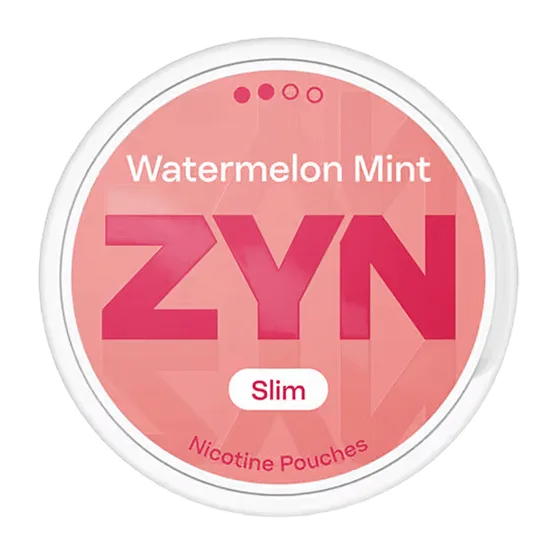
Nicotine pouches do not contain tobacco leaf. They usually combine plant-based fibres or cellulose with nicotine and flavourings, held in a small pouch. The pouch is placed between the gum and lip, where saliva releases nicotine and flavour. Some users like that there is no leaf to chew, spit out, light or store in a loose tin. The format is neat, measured and easy to keep in a pocket.
Traditional tobacco products vary widely. Cigarettes are smoked, cigars are smoked, pipe tobacco is packed and lit, rolling tobacco is hand-made into cigarettes, and moist snuff is placed in the mouth. Each has a distinct ritual. For some adults, that ritual is part of the appeal. For others, it is the part they would rather leave behind. Tobacco also brings the smell of leaf and smoke, along with ash, litter or staining in some forms.
Neither category is risk-free. Nicotine is addictive, and pouches are not a harmless product. People who are pregnant, under 18, or who do not already use nicotine should avoid them. Adults with health concerns should seek medical advice rather than relying on product labels alone.
Discretion and everyday setting
One of the clearest differences is how noticeable the product is. Smoking produces smoke, smell and ash, which can affect nearby people and may be restricted in many places. A nicotine pouch produces no smoke and has a much lower odour profile. It can be used without lighting anything, and the used pouch is removed and disposed of after the session.
That does not mean pouches are invisible in every setting. A pouch can still be seen when the lip is lifted, and some users may notice a tingling sensation or increased saliva. New users may find the sensation strong, especially with higher strengths. Choosing a milder option and giving the body time to adjust is more sensible than jumping straight to a strong product.
Traditional tobacco has a more public character. Cigarettes and cigars create smoke and ash, while pipe tobacco has its own aroma and equipment. Rolling tobacco involves papers, filters and loose leaf, which can be untidy in a bag or car. Moist snuff is closer to pouches in the way it is used, but it contains tobacco and may involve spitting depending on the style.
Flavour, strength and control
Nicotine pouches are usually sold by strength and flavour, which makes comparison straightforward. A shopper can look for a specific nicotine level, then narrow the choice by taste, such as mint, fruit, coffee or unflavoured options. This structure helps adults who want to manage their intake in a deliberate way. Nic Pouch uk is one name in this space, described as a UK online retailer offering nicotine pouches from more than 30 brands, organised by strength and flavour for adults aged 18 and over.
Strength is often shown in milligrams per pouch or as a numbered scale. These systems are not identical across every product, so the figure should be read alongside the product information. A higher number does not automatically mean a better experience. For someone moving away from smoked tobacco, the aim is often to find a level that feels steady rather than overpowering.
Traditional tobacco products offer less precise control in some formats. With cigarettes, nicotine delivery depends on the tobacco blend, how the cigarette is smoked and how much is consumed. With rolling tobacco, the amount of leaf and the way the cigarette is made change the result. Pipe tobacco varies by cut, blend and smoking pace. Moist snuff can vary by portion size and tobacco strength. These products can still be familiar and predictable to long-term users, but the variables are less tidy than a labelled pouch.
Flavour is another dividing line. Pouches often rely on added flavourings to create a clear taste. Traditional tobacco tends to centre on tobacco character, though some products include sweet, woody or spiced notes. A person who enjoys the taste of tobacco may find pouches less satisfying. A person who wants mint, citrus or berry without smoke may prefer the pouch format.
Routine, storage and upkeep
Smoked tobacco comes with a set of small tasks. Cigarettes require a pack and a safe place for ash. Cigars may need a humidor if they are kept for any length of time. Pipe smokers clean and maintain pipes, while rolling tobacco needs papers and careful storage to stop the leaf drying out. These routines can be enjoyable for people who value them, but they add clutter and upkeep.
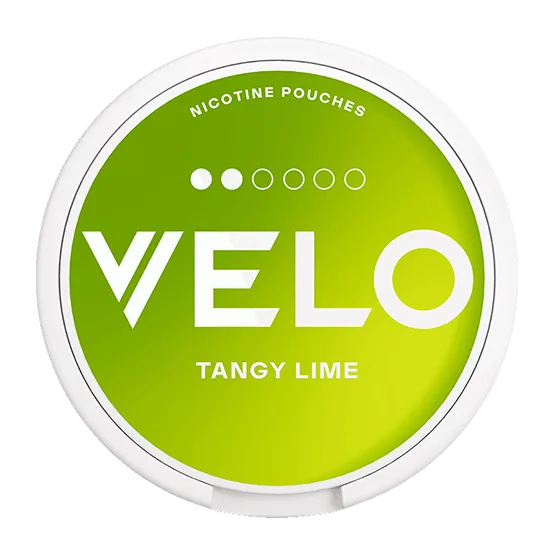
Pouches are simpler in daily handling. A tin or pack holds a number of portions, and each portion is used once. There is no lighter, ashtray or pipe cleaner involved. Used pouches still need binning responsibly, and they should be kept away from children and pets. They should not be flushed, even if they seem small enough to disappear.
Storage matters for both categories. Tobacco leaf can dry out, absorb moisture or pick up strong odours if kept badly. Pouches can also dry out if left open, which may affect comfort and flavour. Keeping either product in a cool, dry place, away from direct heat, helps preserve the intended experience.
Health and social considerations
Health is the most serious area of comparison. Smoking tobacco is linked to well-established harms, including respiratory and cardiovascular disease. No nicotine product is safe, but the harm profile differs between smoked tobacco, smokeless tobacco and tobacco-free pouches. Adults who want to reduce smoke exposure may consider pouches as one option, while recognising that nicotine dependence can remain.
Social factors matter too. Smoke can bother people nearby and may clash with shared spaces. Pouches avoid smoke but still involve nicotine use, so discretion should not be confused with no impact. Some people prefer to keep their nicotine use private, while others see no problem with a familiar smoking ritual. The right fit depends on personal priorities and the setting.
For adults comparing products through a retailer such as nicpouch.uk.com, the practical starting point is the product information: strength, flavour, pouch count and usage guidance. These details help compare like with like instead of relying on assumptions. Nic Pouch uk fits the wider online retail context for adults aged 18 and over, with products organised by strength and flavour.
When each option may suit
Nicotine pouches may suit adults who want a tobacco-free format, no smoke, no ash and a clearer way to compare strength and flavour. They can also suit people who find the rituals of smoking inconvenient, or who want a product that is easier to keep contained. They are not ideal for someone who dislikes oral pouches, gets strong mouth irritation, or wants the taste of real tobacco leaf.
Traditional tobacco products may suit adults who value a long-standing ritual, the taste of tobacco, or the specific character of cigarettes, cigars, pipe tobacco or moist snuff. They may be less suitable where smoke, smell, ash or equipment would be a problem. Moist snuff sits closer to pouches in use, but it still contains tobacco and carries its own considerations.
Some adults use more than one type at different times, though mixing products can make nicotine intake harder to judge. Anyone trying to cut down should set a clear limit and pay attention to signs of overuse, such as headaches, nausea, dizziness or a racing heart. If those symptoms appear, stopping and seeking advice is wiser than pushing through.
Making a steady choice
A good decision starts with honest priorities. If the main aim is to avoid smoke and leaf, pouches deserve a closer look. If the main aim is to preserve a familiar tobacco ritual, traditional products may feel more satisfying. Strength, flavour, setting and comfort should carry more weight than appearance or habit alone.
Whichever route an adult chooses, the basics stay the same: use only as intended, keep products away from children, avoid use by anyone under 18, and treat nicotine as an addictive substance. Comparing the formats calmly makes the choice easier to manage and reduces the chance of switching for the wrong reasons.